
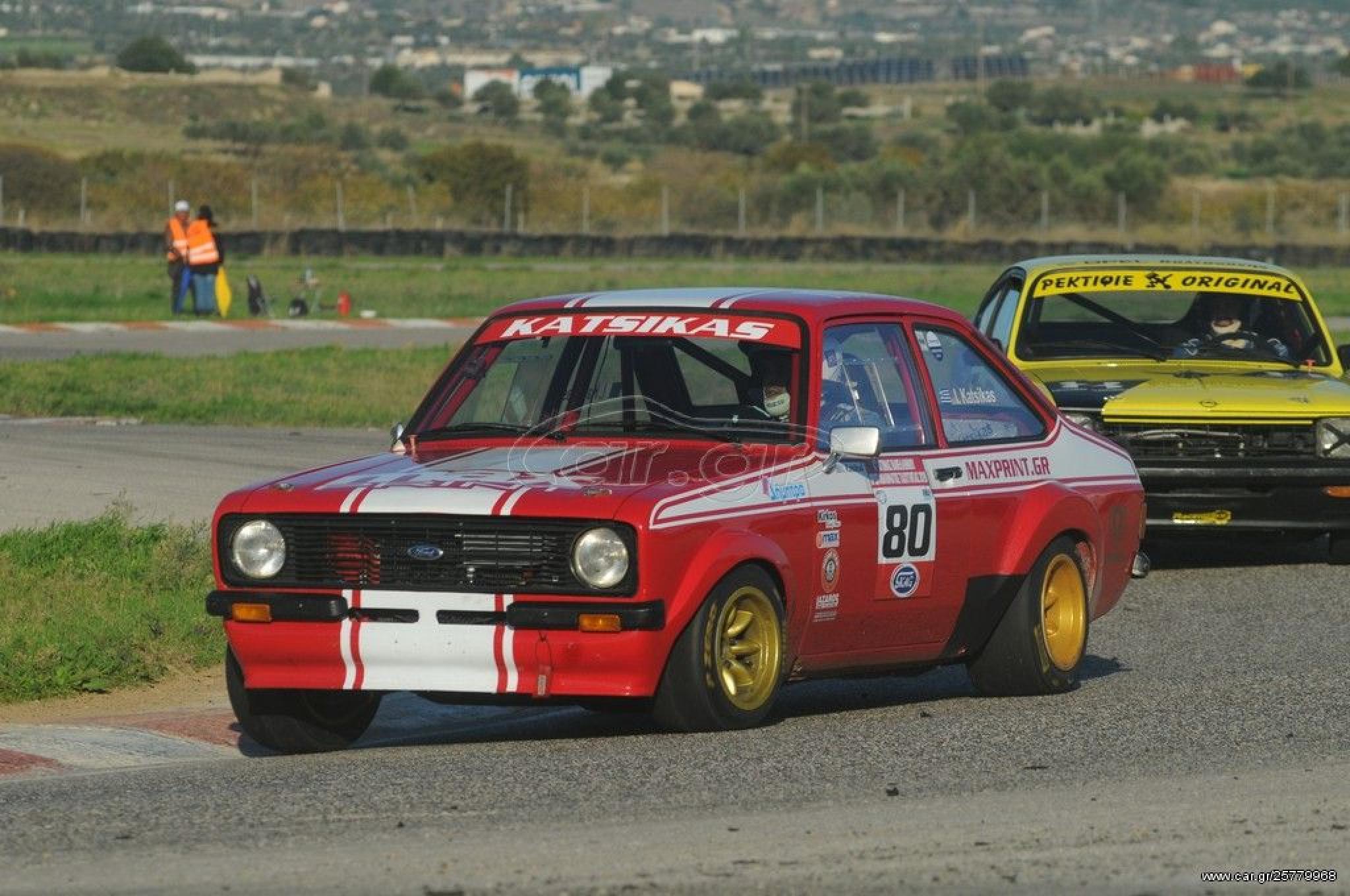
— Reinforced steel monocoque with FIA-approved full roll cage (Period-correct Group 4 or Historic spec)
— Adjustable subframe mounts for gravel and tarmac setups
— Lightweight panels: steel body with optional fiberglass bonnet and boot for competition weight reduction
— FIA-specification racing seat mounts and harness points
— Wheelbase: 2,425 mm
— Overall length: 4,020 mm
— Width: 1,620 mm
— Competition weight: ~880–950 kg depending on spec, per FIA Historic Rally regulations
— 1.6L BDA/BDE/BP twin-cam: 160–180 hp naturally aspirated; ~200 hp in fully tuned builds for Historic WRC
— 2.0L BDA/BP variants: Optional in some Group 4 builds
— Engine management: carbureted or period-correct mechanical fuel injection; modern historic conversions sometimes use standalone ECUs for reliability
— Turbocharging not permitted in period Group 4 Mk2 competition
— 5-speed dog-leg manual gearbox (Getrag or Hewland in competition builds)
— Rear-wheel-drive with limited-slip differential
— Competition axles, reinforced half-shafts, and lightweight flywheels
— Front: MacPherson strut with reinforced strut towers and adjustable camber plates
— Rear: Live axle with competition leaf springs or adjustable coil-over conversions
— Dampers: Koni or Bilstein rally-spec shocks
— Adjustable ride height and anti-roll bars for gravel/tarmac setup
— Front: 245–260 mm vented disc brakes with four-piston calipers
— Rear: 230 mm discs or drums depending on historic spec
— Racing pads: Ferodo or Endless period-correct compound
— Handbrake: Hydraulic or mechanical competition-spec
— Gravel: 13–15″ steel or alloy rims with Michelin X-Ice or period Dunlop rally tyres
— Tarmac: 13–15″ alloy or magnesium wheels with road rally-spec tyres
— 0–100 km/h in ~6.5–7.5 seconds depending on engine tune
— Top speed: 225–240 km/h on tarmac builds
— Known for agile handling, excellent weight balance, and predictable oversteer for rally drivers
— Adjustable suspension and LSD allow precise tuning for mixed surface stages
— Predecessor: Ford Escort Mk1 (1968–1975), successful in Clubmans, national, and early international rallying
— Successor: Ford Escort Mk3 (1980–1986), front-wheel-drive layout, less competitive in classic rallying circles
— The Mk2 remains the definitive rear-wheel-drive rally Escort, still dominant in historic and classic rally championships
Rally-prepared Mk2 Escorts require intensive, event-based maintenance:
— Engine: Full inspection and oil change every 800–1,200 km of competition distance
— Gearbox & LSD: Inspect and lubricate after each event; rebuild or replace synchros every 2–3 seasons
— Suspension & Steering: Check bushes, ball joints, and shock absorbers before and after each event
— Brakes: Replace pads and check discs after high-stress stages; hydraulic lines inspected frequently
— Cooling & Fluids: Flush radiator and change coolant every season; monitor water pumps and hoses
Classic production intervals (road-based reference): Oil every 5,000 km, valve clearance every 10,000–15,000 km, but rally service is far more frequent.
What are the typical prices of an Escort Mk2 rally car?
Historic Group 4 or RRC-spec cars range from €80,000 to €150,000+, depending on build, competition results, and included spares. Fully restored or FIA-homologated cars can exceed €200,000.
Where can the Ford Escort Mk2 compete today?
Eligible in FIA Historic Rally Group 4/2, national historic rallies, club events, hill climbs, and period-correct touring car races. Popular in UK, Germany, France, and Nordic historic series.
Is the Mk2 suitable for privateer rally teams?
Yes. Its mechanical simplicity, widespread spare availability, and strong community support make it ideal for privateers and historic competitors.
Are spare parts available for competition builds?
Yes. Aftermarket suppliers provide engines (BDA/BDE), gearboxes, LSDs, suspension, brakes, and period-correct body parts. Some parts are re-manufactured, others sourced from specialist historic racing suppliers.
What should buyers check before purchasing a rally-spec Mk2?
— Authenticity of Group 4 / Historic FIA documentation
— Engine and gearbox condition
— Chassis integrity and roll cage certification
— Suspension geometry and upgrades for competition
— Full maintenance/service history
Owning a rally-spec Mk2 involves:
— Consumables: tyres, brake pads, engine fluids after each rally
— Transport & logistics for events
— Insurance premiums for competition vehicles
— Spare parts and rebuilds for engine, gearbox, and LSD
— Safety gear replacement as mandated by FIA or national regulators
Costs vary by event schedule, geography, and level of competition.
The Ford Escort Mk2 remains a historic rally icon. Competitive uses include:
— FIA Historic Rally Championship events
— National historic rally series across Europe
— Club-level and classic rallying
— Showcasing in motorsport heritage events
Its rear-wheel-drive chassis, adjustable suspension, and proven engine options allow it to remain competitive against modern historic rally machinery.
All specifications, prices, and eligibility details are provided for informational purposes based on historic FIA homologation data, manufacturer archives, and marketplace examples. Actual condition, performance, and eligibility depend on the individual vehicle, event rules, and current regulations. Prospective buyers should verify details through official documentation and professional inspection.